ECHOcommunity Pembaruan
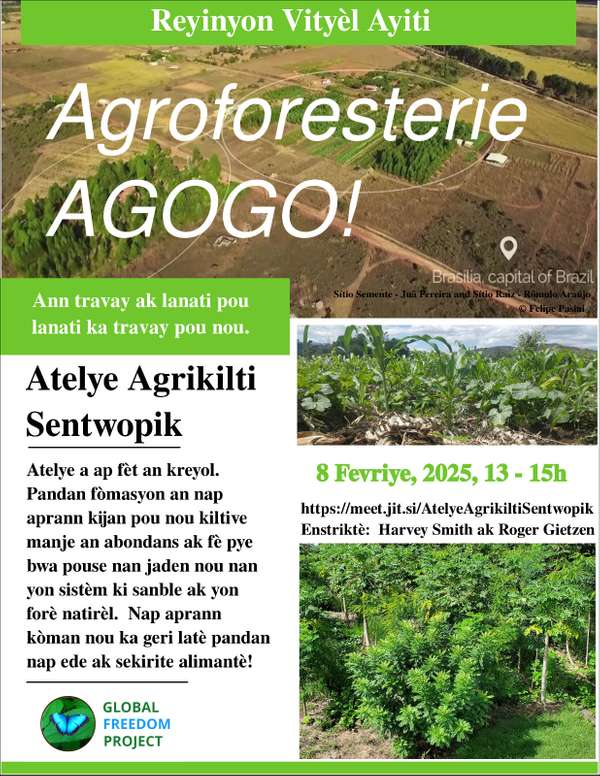
Agroforesterie AGOGO! 2025-01-15
Tout moun yo akeyi yo rantre nan Harvey ak tèt mwen pou yon fòmasyon sou entènèt teyori syntropic. Si ou te patisipe nan atelye nou an nan tan lontan, se pral menm sijè a nou te kouvri la. Li pral an Kreyol sèlman. Si w konnen yon moun ki ka benefisye, tanpri pataje envitasyon an. Tout moun akeyi. Anba a se lyen pou rantre nan apèl videyo a. Li ka louvri ak yon navigatè. Pa bezwen jwenn aplikasyon an oswa kreye yon kont. Mwen tann evènman an.
Roger
2025/2026 ECHO North America Internship Application Deadline 2025-01-14
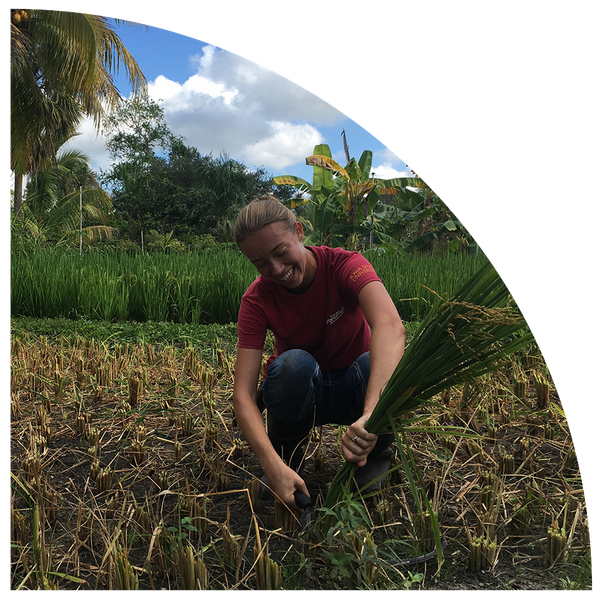
We are looking for passionate, mission minded, farm loving applicants for the 2025/26 ECHO North America Regional Impact Center internship. This year-long program is an intensive hands-on training in tropical agriculture for community development.
Apply soon! Applications close January 20th. Use the link below for more information about the internship and how to apply.
ECHO North America 2025 Upcoming Trainings 2025-01-07
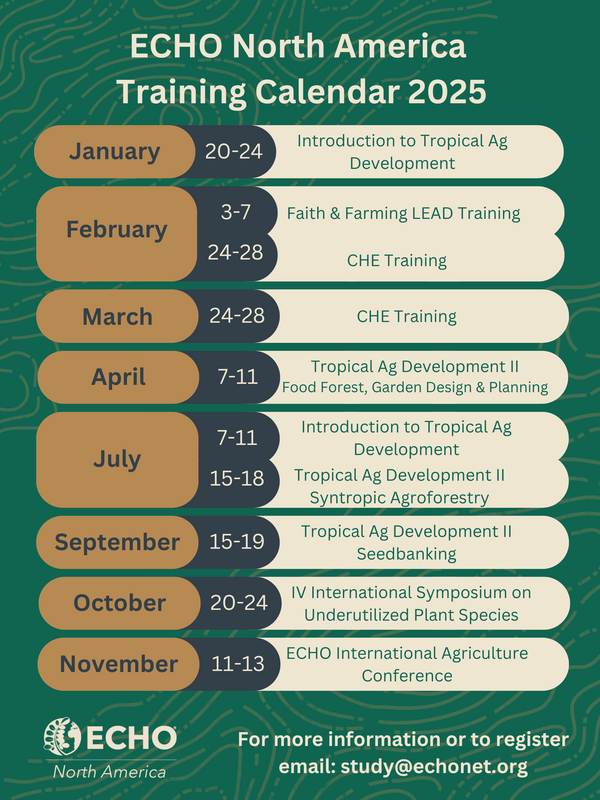
We have some exciting training opportunities coming up in 2025!
Registration for these trainings include:
- Instruction with on-farm workshops
- Consultation with experienced staff
- Food (breakfast, lunch and dinner)
- Lodging
Don’t miss the these training opportunities!
Seasonal Seeds Available from the ECHO Global Seed Bank 2024-12-24
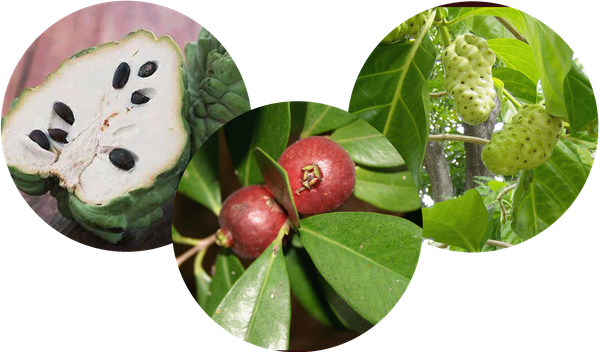
Some seeds are only seasonally available from our ECHO Global Seed Bank due to their short lifespan. We would like you to know that we have the following seeds available right now. Click the crop name for more information:
- Green sugar apple (Annona squamosa) is a medium to tall tree that produces sweet, creamy fruits. Fruits are mature when green.
- Atemoya (Annona squamosa X cherimola) is a deciduous fruit tree up to 7m tall. Cross between sugar apple and cherimola.
- Noni (Morinda citrifolia) is a small tree from Southeast Asia that is tolerant of a wide range of soil conditions. Noni is often used medicinally.
- Strawberry fruit (Muntingia calabura) is a fast-growing, fruit producing shade tree. Edible, sweet red fruit.
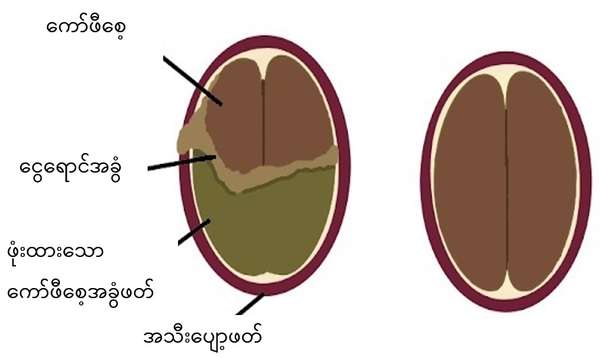
ကျွဲနွားတိရစ္ဆာန်အတွက်အစာအဖြစ်အစားထိုးရန်ကော်ဖီစေ့အခွံမျာ 2024-12-19
ဤဆောင်းပါသည် ဘွန်ဆွန်း သန်ရှရီသွန်၊ အေဘရမ် ဂျေ၊ ဘစ်လာ နှင့် ပက်ထရစ် ဂျေ၊ ထရေးလ်တို့မှပြုလုပ်ခဲ့သည့် အီးစီအိပ်ချ်အို သုတေသနကို အကျည်းချုပ်ထားခြင်းဖြစ်သည်။
ထို့အပြင် ကော်ဖီစေ့အခွံဖတ် ၂၀၀ ဂရမ်သို့မဟုတ် ၁ကေဂျီ ရှိသည့်လယ်ယာ-ထုတ် ထပ်ဆောင်းအစာကိုမစားမီနှင့် စားပြီး သည့်နွားများ၏ခန္ဓာတွင်းရှိစဲလ်အရေအတွက်ကိုတိုင်းတာရာတွင်စာရင်းကိန်းဂဏန်းအရသိသာထင်ရှားသော ခြားနားမှုကိုတိုင်းတာမှုအားလုံးတွင်မတွေ့ရပါ။စမ်းသပ်မှုအားလုံးတို့တွင်ခန္ဓာတွင်းရှိစဲလ်အရေအတွက်များသည်နို့စိမ်း အတွက် ထိုင်းနိုင်ငံ စိုက်ပျိုးရေးစံချိန် သတ်မှတ်ချက်အတိုင်းအတာဖြစ်သည့် ၅၀၀,၀၀၀ စဲလ်/မီလီ အောက် တွင်ရှိ သည်(စိုက်ပျိုးရေးဆိုင်ရာကုန်ပစ္စည်းနှင့်အစားအသောက်ဆိုင်ရာစံနှုန်းများ နယ်ရှင်နယ် ဘရူရို၊ ၂၀၁၀)။ (ပုံ ၁၂)
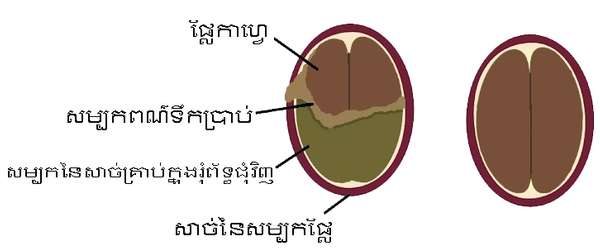
សម្បកគ្រាប់ខាងក្នុងកាហ្វេជាអាហារបំប៉នសម្រាប់គោក្របីយកទឹកដោ 2024-12-18
អត្ថបទនេះសង្ខេបពីការស្រាវជ្រាវរបស់អេកូ ដែលផលិតឡើងដោយ Boonsong Thansrithong, Abram J. Bicksler, និង Patrick J. Trail ។
បុគ្គលិកអេកូអាស៊ីបានធ្វើការស្រាវជ្រាវនេះ ដោយមានគោលបំណងសំខាន់ក្នុងការជំនួសផ្នែកមួយនៃសមាសធាតុជាតិសរសៃដែលបានទិញនៅក្នុងចំណីគោយកទឹកដោះ ជាមួយនឹងម្សៅកាហ្វេដោយឥតគិតថ្លៃ និងវាយតម្លៃផលប៉ះពាល់របស់វាទៅលើការផលិតទឹកដោះគោ។ ការស្រាវជ្រាវរបស់យើង គឺពាក់ព័ន្ធនឹងតំបន់ដែលសម្បកគ្រាប់ខាងក្នុង (parchment) កាហ្វេមិនមានតម្រូវការខ្ពស់ ហើយអាចទទួលបានដោយមិនគិតថ្លៃ។ កសិករដែលចាប់អារម្មណ៍លើជម្រើសចំណីនេះ ត្រូវតែគិតពីពេលវេលា កម្លាំងពលកម្ម និងថ្លៃដឹកជញ្ជូនដែលទាក់ទងនឹងការប្រើប្រាស់ធនធានកាហ្វេ។
EDN #167 Now Available 2024-12-17
In this issue
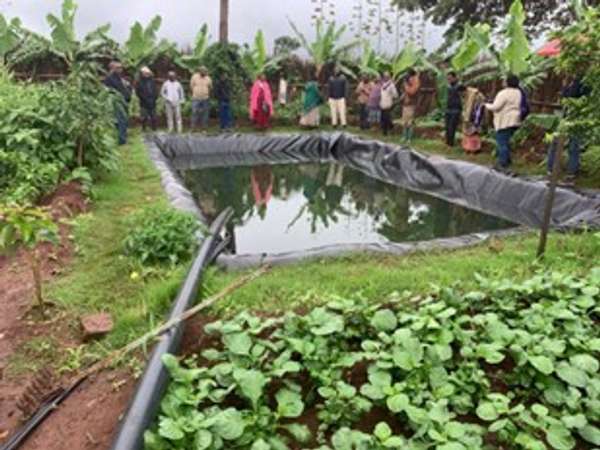
- Harvesting Water with Hafirs : Lessons from East Africa
- Echoes from our Network: Six Mulching Principles
- From ECHO's Seed Banks: Adzuki Bean
- Books, Websites, and Other Resources: Tools for Underutilized Crop Selection - VACS Explorer, CropBase, ISHS Symposium on Underutilized Crop Species and others
Harvesting Water with Hafirs
Harold Msanya
Excerpt:
Ensure the outlet system is properly designed, installed, and connected to regulate the release of water from the hafir efficiently and safely. The outlet system should be robust, easy to operate, and suited to the specific requirements of the reservoir’s use, whether for irrigation, livestock, or human use. It needs to be accessible for regular inspection and maintenance. Include mechanisms to clear debris or blockages without requiring complex equipment or significant disruption to the reservoir. Integrate an emergency overflow or spillway near the outlet to manage excess water during heavy rainfall or flooding, reducing the risk of damage to the reservoir or surrounding infrastructure.
From the Farm: Permanent Raised Beds at ECHO North America 2024-12-10
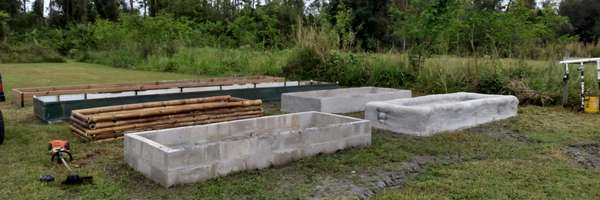
Utilizing raised beds has been a critical component to a successful seed production program for our Seed Bank at ECHO North America. For years we have followed the industry standard practice of temporary raised beds covered with plastic mulch. With no real use for the plastic after the year’s production cycle, we would begrudgingly discard the plastic in the garbage. The effort, expense, tillage, and waste in re-raising beds each year started us on a quest to find a more appropriate solution: is there a better option out there?
To answer this question, we are testing various designs for permanent raised beds. For the first round of testing, we have built beds out of six different materials: bamboo, recycled metal roofing, wood, concrete block, earthbag, and ferrocement. While initial investment cost is a major factor, the expected useful life, maintenance costs, usable growing area, and productivity of each bed will be important considerations.
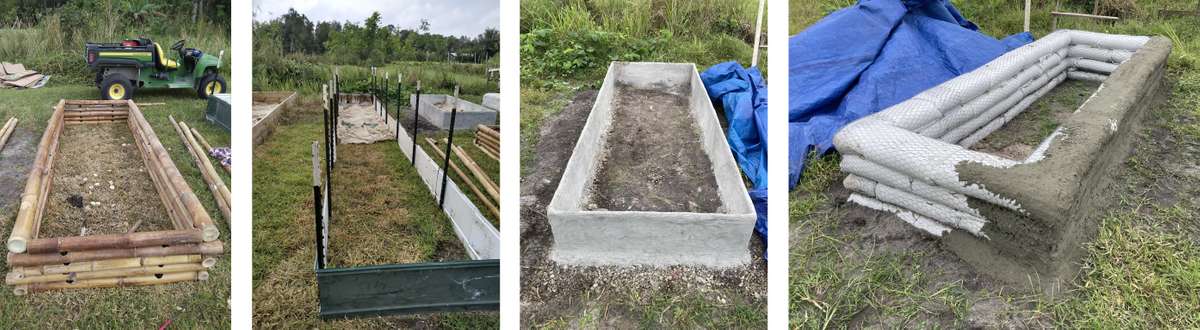
After an evaluation period, we hope to convert much of our Seed Bank production into permanent raised beds. While we don’t expect one clear winner for all contexts, we hope some of the lessons we are learning in this process might help others determine what the best option might be for them. Stay tuned for more updates along the way!

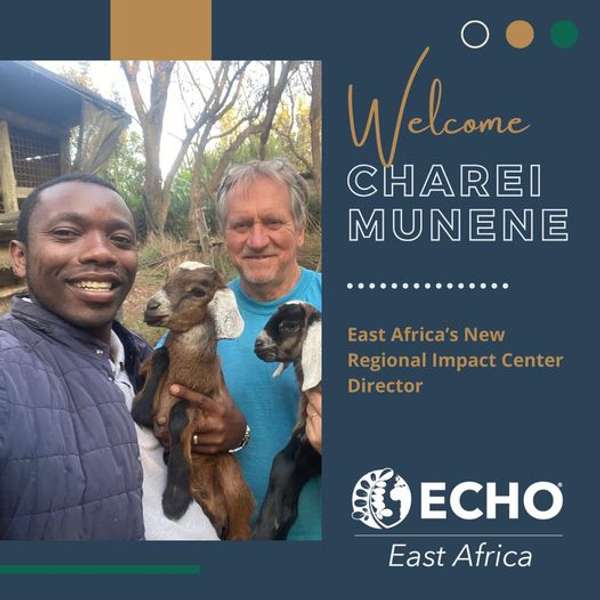
Welcome Charei Muene, ECHO East Africa Regional Impact Center Director 2024-11-19
ECHO is excited to announce that Mr. Charei Munene has joined us as our new ECHO East Africa Regional Impact Center Director. Charei is a passionate advocate for farmers and a leader in Agroecology and Ecological Organic Agriculture, bringing over 10 years of experience in the African agricultural landscape. Our outgoing East Africa Director, Mr. Erwin Kinsey, will be working alongside Charei and transitioning out in the months to come.
We feel very blessed to work alongside these diligent workers. Please join us in welcoming Charei to the ECHO team!
- Terlebih Dahulu
- Sebelumnya
- ...
- 2
- 3
- 4
- 5
- 6
- 7
- 8
- 9
- 10
- ...
- Berikutnya
- Lalu